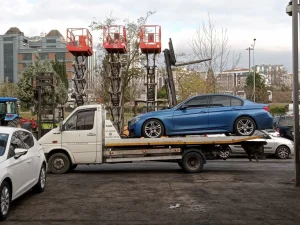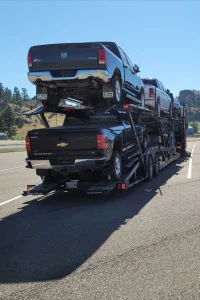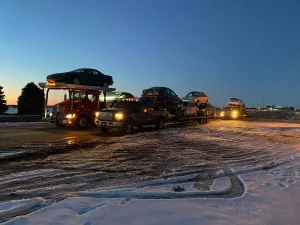

State-to-state auto transport provides a convenient solution for shipping vehicles between locations in different US states. Whether you are relocating, purchasing a car from another state, moving for work, or arranging seasonal transportation, Vehicle Freedom Lane Shipping helps you explore interstate vehicle shipping options that fit your needs.
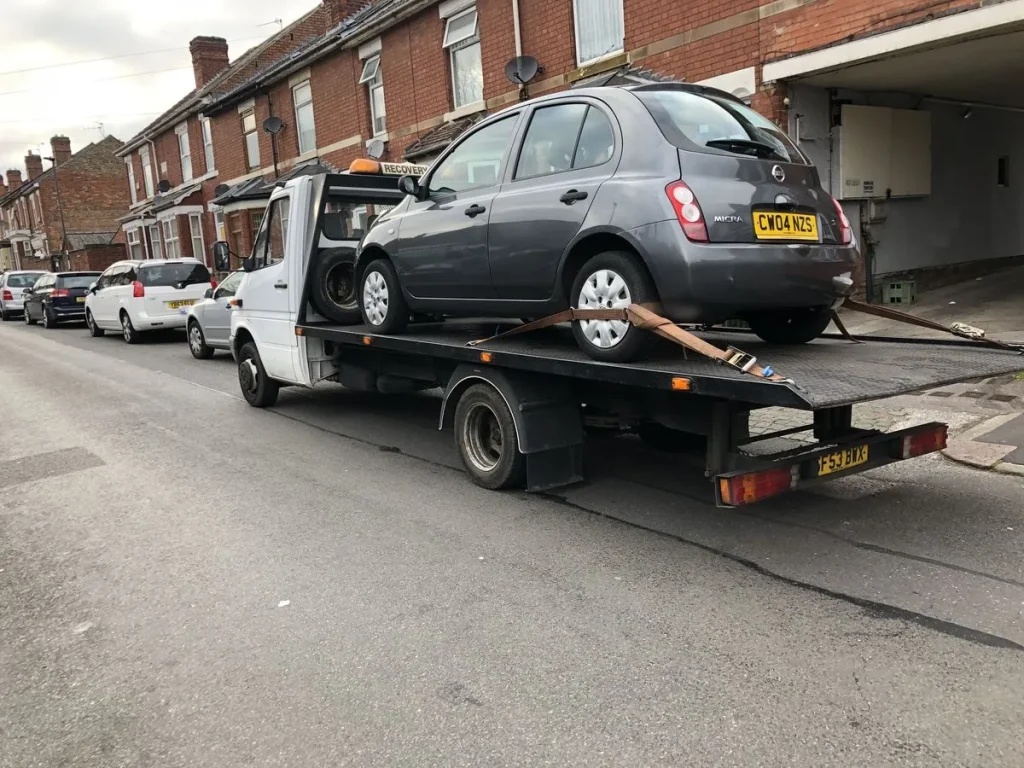
Moving a vehicle between states can be a significant logistical task, particularly when the distance involves hundreds or thousands of miles. State-to-state auto transport offers an alternative to driving the vehicle yourself.
Vehicle Freedom Lane Shipping helps individuals, families, and businesses explore interstate car shipping solutions for a variety of transportation requirements.
Whether you are relocating from New York to Florida, purchasing a vehicle from another state, moving across the country for employment, or transferring a car to a family member, interstate vehicle transportation can simplify the journey.
By arranging transportation through a suitable carrier, customers can reduce the need for lengthy driving schedules, overnight accommodations, and additional mileage on their vehicles.
State-to-state car shipping involves transporting a vehicle from a pickup location in one US state to a delivery location in another.
The shipment may cover a relatively short distance between neighboring states or a longer route across several regions of the country.
Transportation arrangements can involve open-air carriers or enclosed trailers, depending on the vehicle and the customer’s preferences.
Pickup and delivery may also be coordinated through door-to-door service when suitable locations are accessible.
Interstate transportation requires planning around carrier routes, scheduling, vehicle characteristics, and applicable transportation regulations.
The process starts with a request for a vehicle shipping quote.
Customers provide the pickup state, destination state, ZIP codes, vehicle make and model, operating condition, and preferred transportation dates.
The route and shipment details are reviewed to determine available transportation options and an estimated price.
After the customer accepts the shipping arrangements, pickup can be scheduled according to the applicable agreement and carrier availability.
Before loading, the vehicle is inspected and its existing condition is documented.
The carrier transports the automobile along its scheduled route toward the destination state.
Once the vehicle approaches the delivery location, arrangements can be made with the receiving party.
At delivery, the customer should inspect the vehicle, review the condition report, and complete the required paperwork.
Driving across several states may require considerable time and preparation.
Long-distance road trips can involve fuel expenses, hotel stays, meals, tolls, and additional wear on the vehicle.
For people relocating with families or managing work commitments, driving a second vehicle may be especially inconvenient.
Professional vehicle transportation allows customers to focus on other aspects of their move while the automobile is transported separately.
Shipping may also be appropriate for vehicles purchased remotely, vehicles that are not suitable for long-distance driving, or automobiles intended for seasonal use.
The best option depends on the total transportation cost, personal schedule, vehicle condition, and travel preferences.
Customers planning state-to-state transportation can consider two common carrier types.
Open car transport is generally the more economical choice. It is widely used for standard sedans, SUVs, pickup trucks, and everyday vehicles.
Enclosed car transport provides additional protection from weather and road exposure. It is frequently selected for classic cars, luxury automobiles, exotic vehicles, and valuable collector vehicles.
Open and enclosed transportation can both be suitable for interstate routes, depending on carrier availability.
Customers should compare the price, level of protection, vehicle requirements, and expected scheduling before selecting a service.
Employment relocation is a frequent reason for state-to-state car shipping. Individuals moving to another region may prefer to have their vehicles delivered near their new homes.
College and university moves can also create transportation needs, particularly when students are moving far from their home states.
Online vehicle purchases are another common reason. A buyer may purchase a vehicle from a dealership or private seller located hundreds of miles away.
Seasonal residents sometimes transport vehicles between northern and southern states to avoid lengthy drives.
Businesses may arrange interstate shipping when transferring company automobiles or moving vehicles between operational locations.
Delivery time depends on the distance between pickup and delivery locations, carrier scheduling, route conditions, and other operational factors.
A shipment between neighboring states may require less transit time than a coast-to-coast shipment.
However, the distance alone does not determine the entire schedule. Pickup availability, weather, traffic, and route demand may affect the transportation timeline.
Customers should distinguish between the estimated pickup window and the estimated transit period.
Unless a specific delivery commitment is included in a written agreement, transportation dates should generally be treated as estimates rather than guarantees.
Interstate auto shipping rates vary according to the shipment’s characteristics.
Distance is an important factor, but longer routes do not always have a proportionally higher cost per mile.
Vehicle dimensions and weight affect trailer capacity and may influence the quote.
Enclosed shipping typically costs more than open transportation because of specialized equipment and limited capacity.
Seasonal demand, fuel prices, remote locations, and urgent scheduling requests may also influence transportation costs.
To obtain a useful estimate, customers should provide accurate vehicle information and both pickup and delivery ZIP codes.
Start by reviewing the shipping agreement and confirming the vehicle’s pickup and delivery information.
Clean the automobile and photograph its exterior before loading.
Remove loose personal belongings and secure detachable accessories.
Check for fluid leaks, disclose mechanical issues, and make sure the vehicle can be safely loaded unless non-operational transport has been specifically arranged.
Keep important documents accessible and ensure the receiving party understands the expected delivery process.
At delivery, inspect the vehicle carefully and report any concerns promptly according to the applicable procedures.
Based in Malone, New York, Vehicle Freedom Lane Shipping focuses on helping customers explore convenient interstate vehicle transportation options.
Our service information is designed to make the shipping process easier to understand, from requesting a quote to preparing for pickup and delivery.
Whether your vehicle needs to travel between nearby states or across the country, we can help you discuss the transportation requirements and available options.
Planning an interstate move or purchasing a vehicle from another state?
Contact Vehicle Freedom Lane Shipping with your pickup and destination information to explore transportation options.
Call (518) 684-7546 or request a free state-to-state auto transport quote today.
Find answers to some common questions about car shipping and vehicle transportation.
The cost of car shipping depends on several factors, including transportation distance, vehicle size, shipping method, route demand, seasonal conditions, and pickup or delivery accessibility. Open transport is generally less expensive than enclosed transport. Contact Vehicle Freedom Lane Shipping for a quote based on your specific shipment.
Transit times vary depending on the distance, route, carrier scheduling, weather, and road conditions. Shorter regional shipments may take a few days, while cross-country transportation often requires more time. Pickup scheduling and actual transit time should be considered separately.
Both methods serve different needs. Open transport is widely used for standard passenger vehicles and is typically more affordable. Enclosed transport provides additional protection from weather and road exposure, making it a popular choice for luxury, classic, and specialty automobiles.
Door-to-door auto transport allows pickup and delivery as close to your preferred addresses as safely and legally possible. If a large carrier cannot access a residential street because of road restrictions, low branches, tight turns, or other obstacles, a nearby suitable meeting location may be arranged.
Clean your vehicle, document its condition with photographs, remove loose personal belongings, check for fluid leaks, and ensure the vehicle can be safely loaded. Keep the fuel level relatively low, typically around one-quarter of a tank, unless your carrier provides different instructions. Confirm any special requirements before pickup.