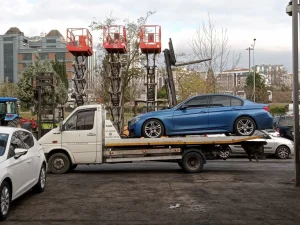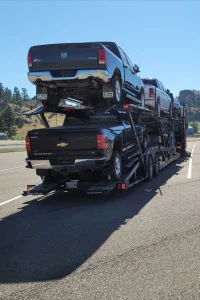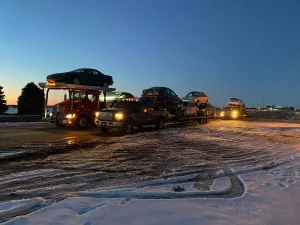

Enclosed car transport offers additional protection for vehicles that require special attention during shipping. By transporting automobiles inside a covered trailer, this service helps reduce exposure to rain, dust, road debris, and other environmental conditions. It is a popular choice for luxury cars, classic automobiles, exotic vehicles, and valuable collector cars.
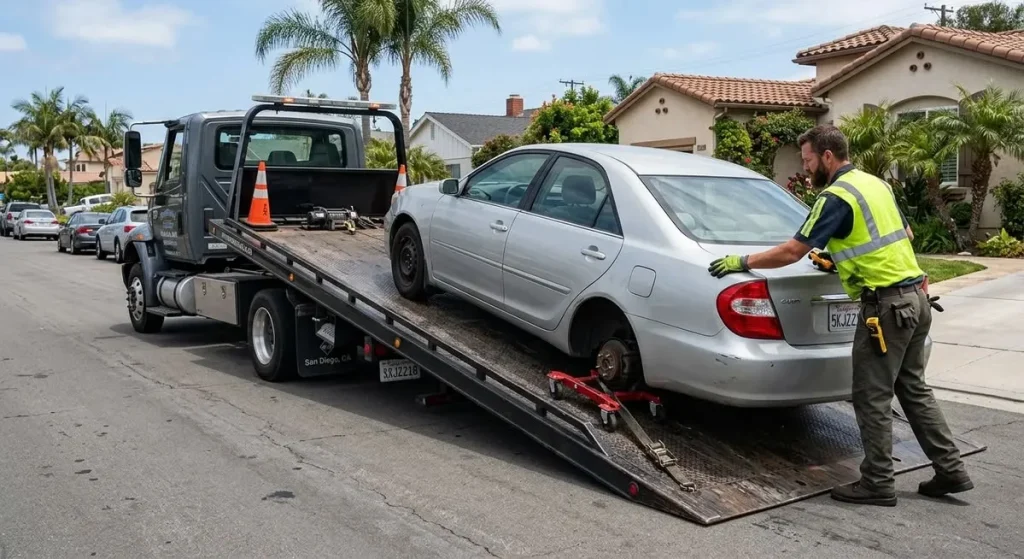
Some vehicles deserve additional consideration when being transported over long distances. Luxury automobiles, vintage classics, exotic sports cars, and collector vehicles often represent significant financial or personal value. Enclosed car transport is designed for owners who want greater protection from the outside environment during transportation.
Vehicle Freedom Lane Shipping helps customers explore enclosed auto shipping options for specialty and high-value vehicles. Whether you are transporting a recently purchased luxury automobile, relocating a collector car, or preparing for an automotive exhibition, enclosed transportation can provide an added level of protection.
Unlike open-air carriers, enclosed vehicle trailers have protective walls and roofing that shield automobiles from direct exposure to many weather conditions and common roadway contaminants.
Enclosed auto transport is a shipping method in which vehicles travel inside a covered trailer rather than on an exposed platform.
Enclosed trailers may feature hard-sided structures, specialized loading systems, and equipment intended to accommodate valuable or sensitive vehicles.
Depending on the carrier and equipment, some enclosed trailers also offer hydraulic lift gates, low-angle loading ramps, or additional clearance for low-profile vehicles.
These features can be especially helpful for automobiles with limited ground clearance, custom bodywork, or delicate exterior components.
Because enclosed carriers generally transport fewer vehicles and use more specialized equipment, enclosed shipping typically costs more than open transport.
The primary benefit of enclosed car transportation is reduced exposure to external conditions.
During a long-distance shipment, open-air vehicles may encounter rain, dust, road grime, insects, and airborne debris. Enclosed trailers create a physical barrier that helps protect vehicles from many of these elements.
Enclosed transportation can also be appealing to customers who prefer additional privacy for valuable or distinctive automobiles.
For owners of restored classic cars, premium finishes, or custom vehicles, limiting environmental exposure may be an important priority.
However, enclosed transportation does not eliminate every risk associated with vehicle shipping. Customers should still verify carrier insurance coverage, review the transportation agreement, and document the vehicle’s condition before pickup.
Enclosed auto shipping is often selected for a variety of specialty vehicles.
Luxury automobiles from premium manufacturers may benefit from reduced exposure during interstate transportation.
Classic cars and vintage vehicles can have delicate paintwork, restored body panels, or difficult-to-replace components that make additional protection desirable.
Exotic sports cars may require special loading considerations because of low ground clearance, wide body designs, or performance-oriented suspension systems.
Collector automobiles and vehicles being transported to exhibitions or auctions are also common candidates for enclosed shipping.
Even owners of standard vehicles can select enclosed transportation when minimizing exposure is more important than achieving the lowest shipping price.
The process begins with a detailed vehicle shipping request. Customers should provide accurate information about the automobile, including its make, model, dimensions, operating condition, modifications, and approximate value.
These details help determine whether specialized loading equipment or additional handling arrangements may be necessary.
After reviewing the requested route and transportation requirements, customers can discuss scheduling and pricing.
Before pickup, the vehicle should be cleaned and photographed so its condition can be documented accurately.
During loading, the driver uses the equipment appropriate for the specific vehicle and trailer. Once positioned inside the trailer, the automobile is secured for transportation.
At the destination, the vehicle is unloaded and inspected. Customers should review the delivery paperwork and report any discrepancies through the applicable claims process.
Enclosed transportation usually costs more than open car shipping because of specialized equipment, lower trailer capacity, and differences in carrier availability.
Pricing depends on the shipping distance, route, vehicle size, vehicle condition, required equipment, and requested pickup timeframe.
For example, a low-clearance sports car requiring a lift gate may have different transportation requirements from a standard luxury sedan.
Seasonal demand and the availability of suitable enclosed carriers may also affect pricing.
Customers should request a detailed estimate and confirm whether special loading equipment or other services are included.
Before shipping, remove loose personal belongings and secure detachable accessories.
Clean the exterior so existing scratches or marks are easier to identify during inspection. Take photographs from several angles and keep copies of relevant vehicle documents.
Inform the transportation provider about low ground clearance, custom body kits, unusual starting procedures, battery issues, or other characteristics that could affect loading.
If the vehicle has special handling requirements, communicate them before the pickup date rather than waiting until the driver arrives.
Vehicle Freedom Lane Shipping understands that transporting a valuable automobile requires thoughtful preparation and clear communication.
Our goal is to help customers explore enclosed transportation options based on their vehicle’s characteristics and shipping requirements.
From planning pickup arrangements to understanding the delivery process, we aim to make specialty vehicle transportation easier to navigate.
Protecting your vehicle begins with choosing a transportation method that matches its needs.
Contact Vehicle Freedom Lane Shipping to discuss your automobile, shipping route, and preferred pickup timeframe.
Call (518) 684-7546 to request your enclosed car transport quote.
Find answers to some common questions about car shipping and vehicle transportation.
The cost of car shipping depends on several factors, including transportation distance, vehicle size, shipping method, route demand, seasonal conditions, and pickup or delivery accessibility. Open transport is generally less expensive than enclosed transport. Contact Vehicle Freedom Lane Shipping for a quote based on your specific shipment.
Transit times vary depending on the distance, route, carrier scheduling, weather, and road conditions. Shorter regional shipments may take a few days, while cross-country transportation often requires more time. Pickup scheduling and actual transit time should be considered separately.
Both methods serve different needs. Open transport is widely used for standard passenger vehicles and is typically more affordable. Enclosed transport provides additional protection from weather and road exposure, making it a popular choice for luxury, classic, and specialty automobiles.
Door-to-door auto transport allows pickup and delivery as close to your preferred addresses as safely and legally possible. If a large carrier cannot access a residential street because of road restrictions, low branches, tight turns, or other obstacles, a nearby suitable meeting location may be arranged.
Clean your vehicle, document its condition with photographs, remove loose personal belongings, check for fluid leaks, and ensure the vehicle can be safely loaded. Keep the fuel level relatively low, typically around one-quarter of a tank, unless your carrier provides different instructions. Confirm any special requirements before pickup.